
How Much Does a Pergola Cost in the UK?
UK pergola prices by material and type — timber, aluminium and bioclimatic — the cost drivers, kit vs bespoke pricing and what a quote covers.
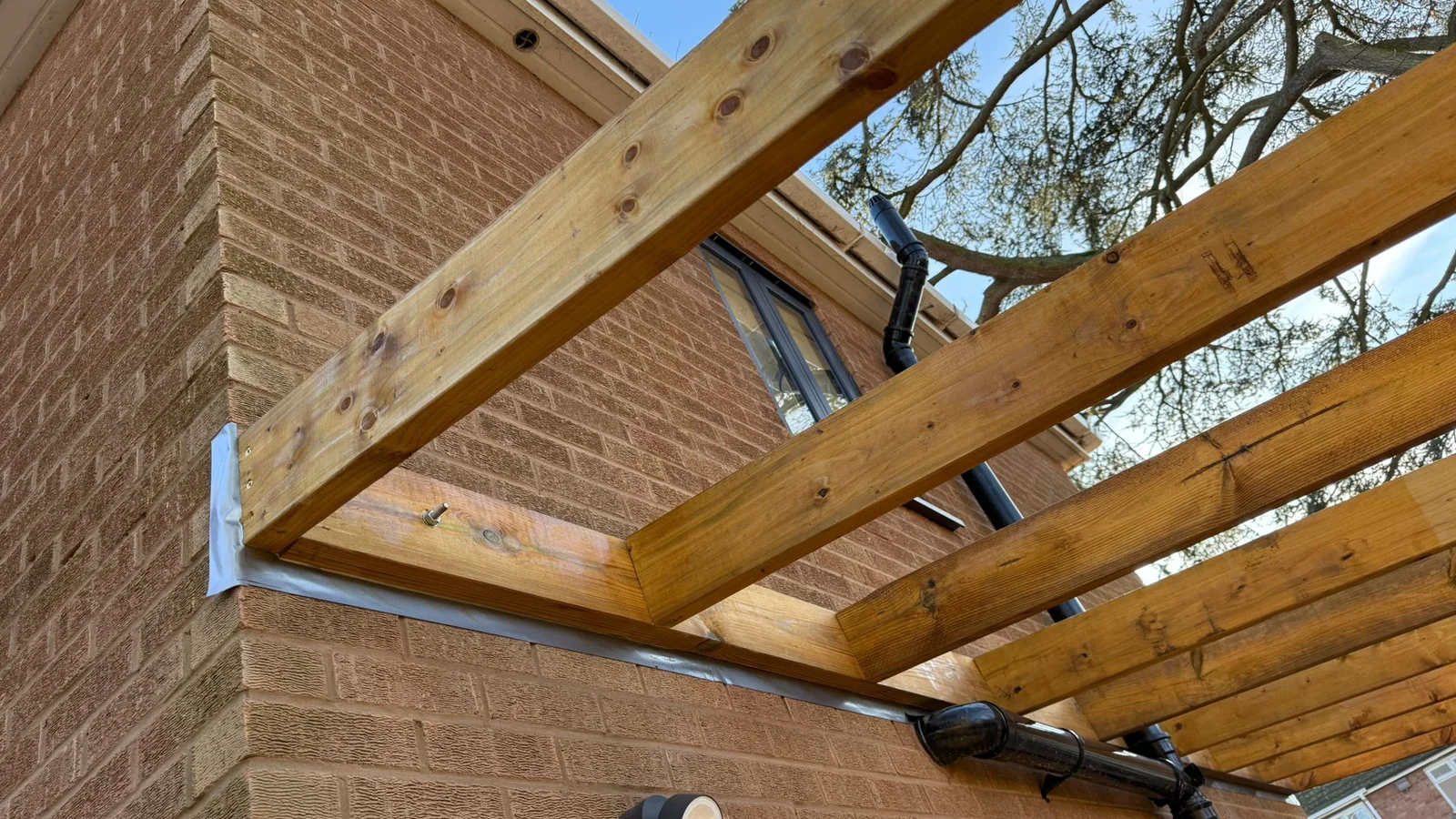
You know how every garden project seems to double in price the moment you start looking at the details. We hear this frustration from UK homeowners constantly. Finding accurate information on a pergola cost UK installation requires cutting through a lot of noise, which is exactly why we costed this guide alongside our pergola service.
The reality is that 2026 market prices vary wildly. A simple DIY softwood kit might set you back £2,000, while a high-end motorised system easily tops £20,000. The typical mid-range for a properly installed structure in a British garden sits between £5,000 and £15,000.
If you want a real number for your specific patio, request a free quote. Every project starts with a completely free on-site consultation.
Let’s look at the actual data behind these numbers and break down exactly what you are paying for.
Ballpark prices by pergola type
Knowing how much is a pergola starts with selecting your primary material. These are indicative UK ranges for a professionally supplied and installed structure in a typical residential garden.
Every quote requires a site visit, so treat these figures as a starting point. We recommend comparing the options side-by-side to understand the long-term value.
| Pergola Type | 2026 Installed Price Range | Expected Lifespan |
|---|---|---|
| Softwood Timber | £3,500 to £7,000 | 10 to 15 years |
| Hardwood/Cedar | £5,000 to £12,000 | 25 to 40 years |
| Fixed Aluminium | £4,000 to £12,000 | 25+ years |
| Bioclimatic | £10,000 to £25,000+ | 25+ years |
Softwood timber pergola
Small, kit-based softwood pergolas start at around £1,500 to £3,000 if you install them yourself. Professionally supplied and installed, expect to pay £3,500 to £7,000 for a mid-sized fixed structure.
Pressure-treated pine or spruce offers the most affordable entry point for outdoor dining areas. You will need to factor in ongoing maintenance costs. Annual treatment with a quality wood stain or preservative typically costs around £50 a year in materials alone.
Ignoring this maintenance means your structure will start degrading noticeably within three to five years in the damp British climate.
Cedar or hardwood timber pergola
Higher-grade timber, like European Oak or Western Red Cedar, is warmer looking and significantly longer-lasting. An installed mid-sized structure currently ranges from £5,000 to £12,000.
Hardwood commands a premium because it naturally resists rot and insect damage. You get a lifespan of 25 to 40 years with minimal maintenance compared to softwood. The price often reflects the specialized carpentry required, especially if you want traditional mortise and tenon joints instead of standard metal bolts.
Powder-coated aluminium pergola (fixed roof)
A sleek modern frame with a fixed polycarbonate or slatted roof carries an aluminium pergola price of £4,000 to £12,000. The exact number depends on the size, colour, and finish you choose.
Aluminium structures provide incredible long-term value because they are virtually maintenance-free. You just wipe them down with soapy water once a year. Fixed polycarbonate panels are particularly popular right now, as they are 250 times stronger than glass and block harmful UV rays while still letting light through.
Bioclimatic aluminium pergola (motorised louvered roof)
The premium end of the market features motorised aluminium louvres that open, tilt, and close on demand. A standard residential bioclimatic pergola cost lands between £10,000 and £25,000.
Large builds from top brands like Renson or Morvelle with full extras go much higher. These systems completely transform a patio by giving you full control over sunlight, shade, and rain. The built-in drainage systems channel rainwater down the inside of the posts, keeping your seating area perfectly dry during sudden downpours.
What actually drives the price
Whichever type of structure you price up, five specific things move the number more than anything else. Understanding these factors helps you allocate your budget effectively.
Here is exactly what dictates the final figure on your invoice.
1. Material
Softwood remains the cheapest option, while hardwood and cedar occupy the mid-range. Powder-coated aluminium sits in the mid-to-high bracket, and bioclimatic aluminium represents the premium tier.
Your material choice often doubles the total price at a like-for-like size. We always remind clients that cheaper timber requires heavy maintenance. Aluminium requires zero upkeep, which saves you both time and money over a twenty-year period.
2. Roof mechanism
An open timber rafter roof is the most budget-friendly design. Fixed polycarbonate or slatted panels add a modest premium.
Motorised louvered bioclimatic roofs are the single biggest upgrade you can make. The electric motors and complex remote systems often cost 40 to 60 percent more than a fixed roof of the exact same footprint.
3. Size and span
Bigger builds cost more, but the relationship is rarely linear. Once spans reach past 4 metres between posts, the core frame needs to be substantially beefier.
This is especially true in timber, where you might need to upgrade to heavy 120mm posts to prevent sagging. Aluminium bioclimatic systems cope with wide spans much more elegantly without looking overly bulky.
4. Integrated extras
Each technological extra adds a very real cost to the project. None of these are strict necessities, so prioritise based on how you will actually use the space.
Popular additions include:
- LED lighting inside the roof: £500 to £2,000 depending on dimmable RGB options.
- Retractable side drop screens: £1,500 to £4,000 per side for wind and privacy protection.
- Radiant electric infrared heaters: £400 to £1,200 each.
- Sliding glass panels: £2,000 to £6,000 for a fully enclosed garden room feel.
- Sound and smart control integration: £500 to £3,000.
5. Installation complexity
Anchoring a frame into a flat, existing concrete patio is straightforward and keeps labour costs down. Building a completely new deck as part of the same project creates significantly more work.
Access issues, like tight side gates or a lack of rear vehicle access, add extra days of labour. Groundwork on heavy Bedfordshire clay might require deep concrete pads. This adds a noticeable expense versus a simple installation on a chalk-and-greensand site around Dunstable.
Kit vs bespoke
You will see off-the-shelf kits online at very attractive headline prices. Two crucial factors require careful consideration before clicking buy.
For softwood structures and very small footprints, kits are legitimately good value. For anything above the entry-level, custom fabrication tends to perform much better long-term.
- Fit Requirements: Kits are manufactured to fixed standard sizes, like exactly 3x3 metres. If your patio layout is slightly different, you are forced to compromise on layout or cut the kit to size, which instantly loses much of the financial saving.
- Installation Labour: Retail kits assume you will install the system yourself or hire an independent contractor. By the time you pay day rates for local tradesmen, the total often gets dangerously close to a fully custom bought-and-fitted price.
What a proper quote should cover
A written quotation worth trusting must be fully itemised. A vague, single-line figure is a huge red flag in this industry.
If a contractor’s price looks suspiciously cheap, it usually means one of these vital components is missing from the paperwork.
Look for these specific details in writing:
- Frame material and grade: Needs to specify details like “Powder-coated aluminium RAL 7016”, not just a generic “aluminium” label.
- Roof specification: Clearly state if it is fixed, louvered, or canvas, and specify the operation method.
- Anchoring detail: Note whether bolts go into concrete pads, an existing patio, a wall plate, or a deck subframe.
- Lighting and electrics: Must include cabling, remote controls, and professional Part P certification.
- Blinds and extras: Detail the exact brand and specification for screens or heaters.
- Groundwork inclusion: Confirm that site clearance, foundation digging, and drainage are covered.
- Warranty terms: Separate guarantees for the frame, the roof motor mechanism, and the physical installation.
- VAT status: Explicitly state if the final number is inclusive or exclusive of VAT.
- Project timeline: Define the exact window from the order date to final installation completion.
How we price at Bedfordshire Decking Builders
Every project we quote starts with a free on-site consultation to eliminate guesswork. The site visit allows us to take accurate patio measurements, analyse the sun path, and review the local wind direction.
We walk you through all the material choices and roof mechanism options face-to-face. A fixed, itemised written proposal follows shortly after, covering all the technical requirements mentioned above.
Our team guarantees there are no surprise extras once the job is officially booked. Transparency is the only way to build trust with local homeowners.
Next steps
Read our companion guide on timber vs aluminium pergolas if you are not entirely sure which base material suits your home.
You can also request a free quote for a highly accurate figure based on your specific patio dimensions. If you want the complete service overview, please review our pergola service.
Frequently asked questions
How much does an aluminium pergola cost in the UK?
What affects pergola cost most?
Are pergola kits cheaper than bespoke?
Does the price include groundwork and electrics?
Ready to plan yours?
Bespoke timber, aluminium and luxury louvered pergolas that create shaded, all-weather outdoor living areas. Every project starts with a free on-site consultation and a transparent written quote — no obligation.